

Amenities & Activities
Cape George Colony Club offers an array of amenities designed for and by our members. We strive to to provide opportunities for a variety of activities and to foster community connections.
Stay active at our fitness center, equipped for your daily workout routine, or enjoy a game at our pickleball court, where neighbors gather for friendly competition. Take a refreshing dip in our indoor pool (open year-round), or utilize our well-equipped workshop for your DIY projects and hobbies.
Our clubhouse serves as the heart of community life, hosting social events, meetings, and gatherings throughout the year. For boating enthusiasts, our marina provides convenient water access and a gateway into Discovery Bay and the Straits of Juan de Fuca.
Beyond our physical amenities, our members have a variety of activities that serve to bring them together and foster community. Creative minds connect through our Fiber Arts and Ukulele Group, while the Book Club offers lively literary discussions. The monthly Soup Supper, in our fully equipped clubhouse kitchen, provides a social opportunity to meet your neighbors, share homemade soups, salads and recipes. Music lovers gather for the Acoustic Music Jam, and those seeking mindfulness can join our Tai Chi sessions. Sports fans come together for Sport TV Gatherings in the Clubhouse to cheer on their favorite teams. These regular activities create opportunities to discover new interests and build lasting friendships.
Whether you're looking to stay fit, pursue a hobby, or simply connect with others, Cape George Colony Club's amenities provide something for everyone to enjoy.
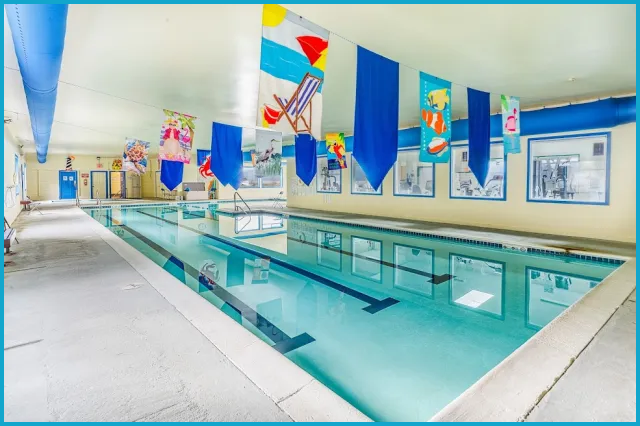
Our Pool
Enjoy year round access to our heated indoor pool.